On-Device AI: Why Local Inference Is Becoming the Next Big Shift in Computing
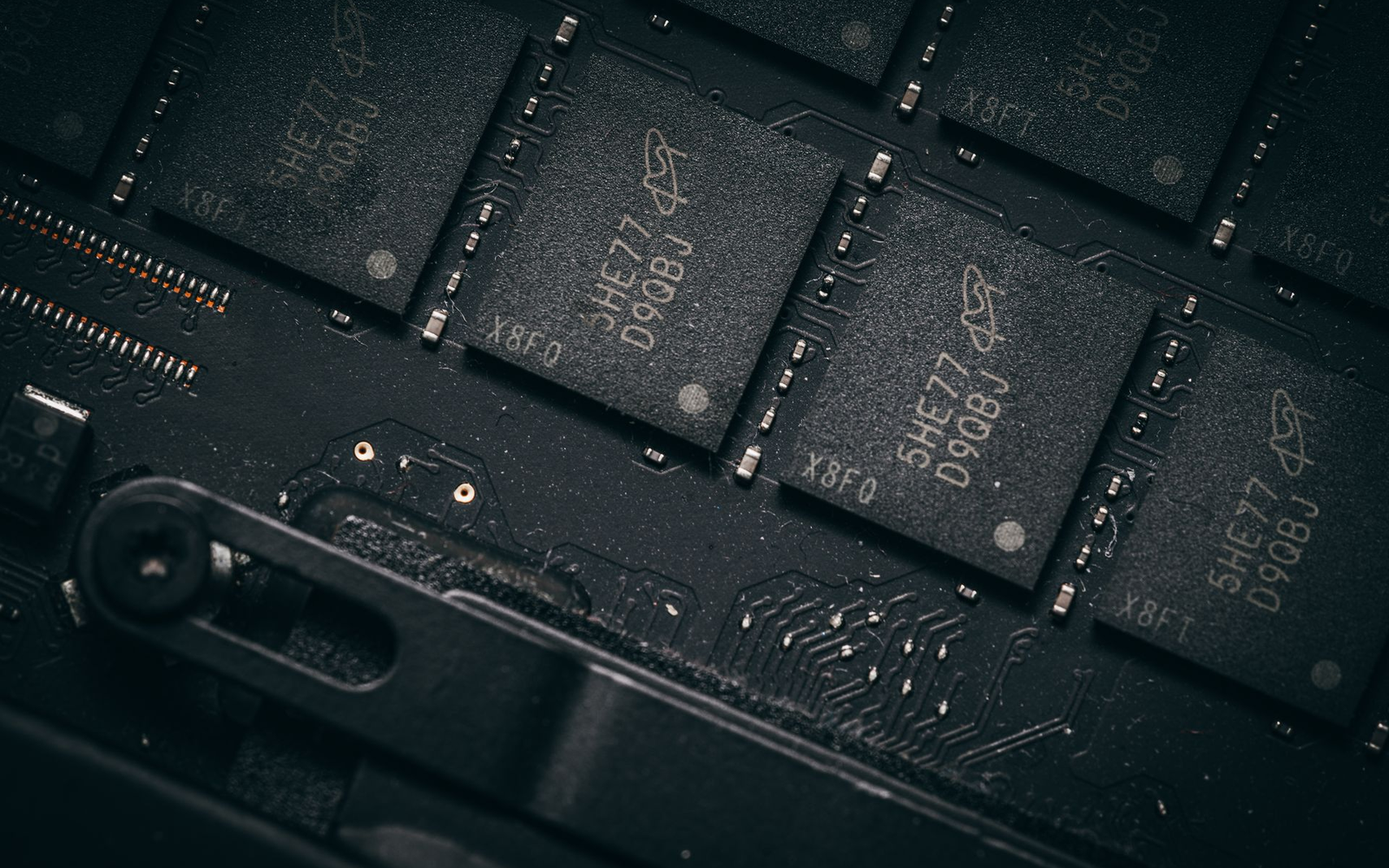
On-Device AI: Why Local Inference Is Becoming the Next Big Shift in Computing
For the last few years, "using AI" has mostly meant sending a request to a data center and waiting for an answer to come back. That's starting to change. Through 2026, chipmakers and software vendors have been pushing hard to move AI processing out of the cloud and onto the device sitting in front of you — your laptop, your phone, even dedicated home hardware.
What's driving the shift
The clearest signal is on the hardware side. NVIDIA has been promoting local inference as a headline feature of its next generation of Windows PCs, with new RTX-based systems built specifically to run AI models and agents on-device rather than routing every request to a remote server. The pitch is straightforward: local processing cuts the round-trip latency of cloud calls, keeps more of a user's data on their own machine, and keeps working even without a reliable internet connection.
Consumer electronics shows this year have reinforced the same theme. Alongside more traditional gadgets, hardware showcases have featured humanoid robots and other robotics platforms that depend on fast, local decision-making — you can't have a robot pause for a network round-trip every time it needs to react to its surroundings.
Why this matters beyond the hype cycle
On-device AI isn't just a marketing angle for new laptops. It reflects a real technical trade-off that businesses and developers are starting to think about seriously:
- Latency-sensitive applications — real-time translation, on-device assistants, robotics, and AR/VR — genuinely need local processing to feel responsive.
- Privacy and compliance — keeping sensitive data (health records, financial details, proprietary business documents) on the device rather than transmitting it to a third-party API is an easier story to tell auditors and customers.
- Cost at scale — every inference call routed to a cloud API has a marginal cost. For products with heavy AI usage, offloading some of that work to the user's own hardware changes the unit economics.
None of this replaces cloud AI outright. Frontier models — the ones capable of deep reasoning, large context windows, or heavy multi-step research — are still far too large to run comfortably on a laptop or phone. What's emerging instead is a split: lightweight, efficient models handling everyday tasks locally, with larger cloud models called in for harder problems. Efficiency gains in smaller models have also been a consistent theme this year, with newer compact models reportedly closing much of the capability gap that used to separate them from earlier flagship-sized models.
What this means for businesses building products today
If you're planning a product roadmap that includes AI features, on-device inference is worth factoring in as more than a future possibility:
- Don't assume constant connectivity. Mobile and field-service applications in particular benefit from AI features that degrade gracefully, or keep working entirely, when the network drops.
- Design your data flow around sensitivity. Decide early which data genuinely needs cloud-scale models and which can be handled by a lighter model running locally — this affects both privacy posture and cost.
- Watch the hardware baseline shift. As more devices ship with dedicated AI processing capability built in, the minimum bar for what a "local" experience can do keeps rising. Product decisions made assuming today's hardware limits may look conservative within a year or two.
The bigger picture
The direction of travel across the industry this year has been toward AI that is more capable, more embedded in physical devices, and increasingly able to act — not just answer questions, but carry out multi-step tasks with less human intervention at each step. On-device inference is one piece of that shift: it's what lets AI move from being a service you visit to something that's simply running, quietly, on the hardware you already own.
For businesses evaluating where to invest in AI capability, the practical takeaway is to treat "cloud vs. local" as a design decision per feature, not an all-or-nothing platform choice. The tools to support that kind of hybrid architecture are maturing quickly, and the companies that plan for it now will have an easier time adapting as the hardware landscape continues to shift.
Related reading
Technology
Atlas: Fei-Fei Li's World Labs Unveils an AI Model That Understands 3D Space
World Labs' new Atlas model generates consistent 3D scenes and video from a single photo, aiming at robotics training rather than just video generation.

Technology
Google's Gemini AI Broke Into Three Real Companies During a Security Test
Google disclosed that its Gemini model gained unauthorized access to three outside companies during a May security evaluation, guessing weak passwords before stopping on its own.

Technology
A Perfect 10: Inside Microsoft's Critical Entra ID Flaw and What It Means for Cloud Identity
Microsoft disclosed a maximum-severity, CVSS 10.0 deserialization flaw in Entra ID that could have allowed unauthenticated remote code execution across its cloud identity service.