How AI Is Reshaping the Software Development Workflow in 2026
How AI Is Reshaping the Software Development Workflow in 2026
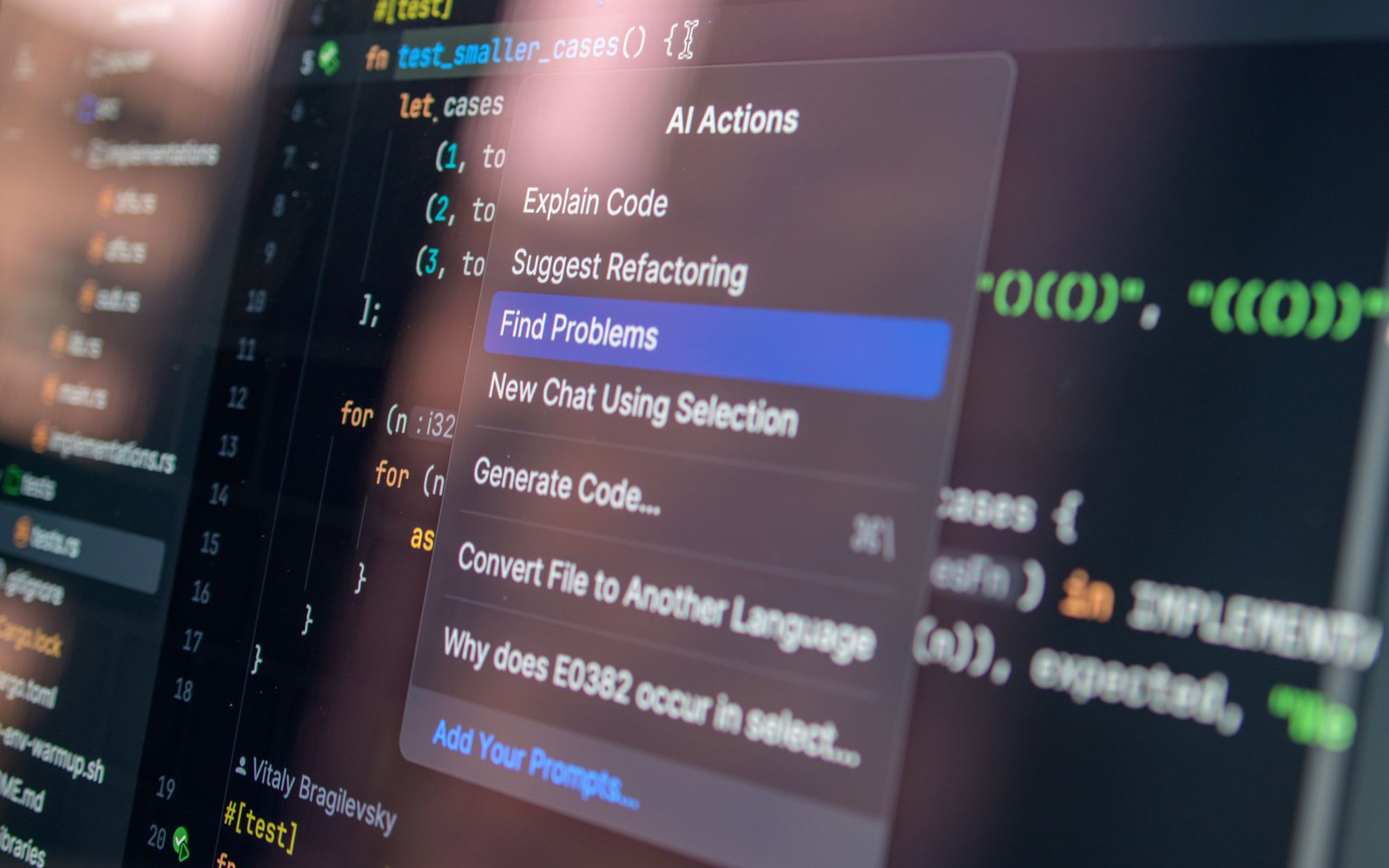
Software teams have been experimenting with AI coding assistants for a few years now, but 2026 is the year the experimentation turned into standard practice. AI tools aren't confined to autocomplete anymore — they've spread into nearly every stage of the development lifecycle, from writing the first draft of a feature to reviewing the pull request and running the tests before it ships.
From autocomplete to full-workflow assistant
Industry coverage this year points to adoption figures that would have sounded aggressive even eighteen months ago: AI coding assistants such as GitHub Copilot and Cursor are now reportedly used by more than 40% of professional developers. That's no longer early-adopter territory — it's closer to a baseline expectation for how a modern engineering team works.
What's changed isn't just how many developers use these tools, but how much of the workflow they touch:
- Code generation — drafting boilerplate, scaffolding new components, and translating a written spec into a first working implementation.
- Code review — AI-assisted review tools that flag likely bugs, inconsistent patterns, or missing edge cases before a human reviewer even looks at the diff.
- Testing — AI-assisted test generation paired with more mature testing frameworks, reducing the manual effort of writing coverage for new code.
- Deployment and operations — tooling that helps diagnose failed builds or flag risky changes before they reach production.
The common thread is that AI is increasingly present at every handoff point in the pipeline, not just the moment a developer starts typing.
Testing has quietly matured too
One of the less flashy but more consequential shifts this year has been in browser testing. Playwright has become the de facto standard for end-to-end testing, largely because of its auto-wait behavior, which cuts down on the flaky, intermittent test failures that used to make teams distrust their own test suites. Reliable testing infrastructure matters more, not less, as AI tools generate a larger share of the code being tested — teams need confidence that their test suite will actually catch what AI-authored code gets wrong.
The competitive landscape among AI dev tools
The market for AI-assisted development tools has also kept shifting. Model-agnostic tools that let teams plug in different underlying AI models — rather than being locked to a single provider — have gained traction alongside single-vendor products, giving engineering teams more flexibility in choosing the model that best fits a given task or budget. The pace of change here has been fast enough that "best AI coding tool" rankings are being revised on a near-monthly basis as new model releases roll out.
What this means for engineering teams
For a team deciding how much to invest in AI-assisted development, a few practical points are worth keeping in mind:
- Treat AI output like a draft from a junior contributor, not a finished PR. The tools are good at producing a working first pass; human review is still what catches subtle logic errors and architectural mismatches.
- Invest in your test suite alongside your AI tooling. As more code is AI-generated, a reliable, low-flake test suite becomes the thing standing between "looks right" and "actually right."
- Avoid over-committing to a single vendor. Given how quickly the underlying models are improving and being replaced, tooling that lets you swap models without rewriting your workflow is a safer long-term bet than one hard-wired to a single provider.
- Use AI to speed up the boring parts, not to skip the thinking. The teams getting the most value are using AI to handle repetitive scaffolding and first drafts, freeing up engineer time for architecture, edge cases, and the judgment calls that AI still isn't well-suited to make alone.
Looking ahead
None of this suggests software development is becoming less skilled — if anything, the bar for good architectural judgment and careful review is rising, because more raw code is being produced faster than ever. The teams adapting well in 2026 aren't the ones handing everything to AI; they're the ones that have figured out which parts of the workflow benefit from AI assistance and which parts still need a careful human hand on the wheel.
Related reading

Web Development
Remix 3 Breaks From React: A Full-Stack Framework Built on Web Standards
Remix 3 drops the React runtime for a forked Preact and Fetch API routes, betting on web platform primitives over framework abstractions -- with no automatic migration from Remix 2.

Web Development
Why Developers Are Ditching Postman: Bruno, Playwright, and the New API Testing Stack
Postman's 2026 pricing changes are pushing teams toward open-source alternatives like Bruno, while Playwright consolidates browser testing and adds native AI agent support.

Web Development
Vite Dev Servers Under Attack: Why Your Cloud Credentials Are at Risk
Attackers are mass-scanning internet-exposed Vite dev servers to steal cloud credentials via CVE-2026-39364. Here is what was reported, who is affected and a short checklist to lock things down.